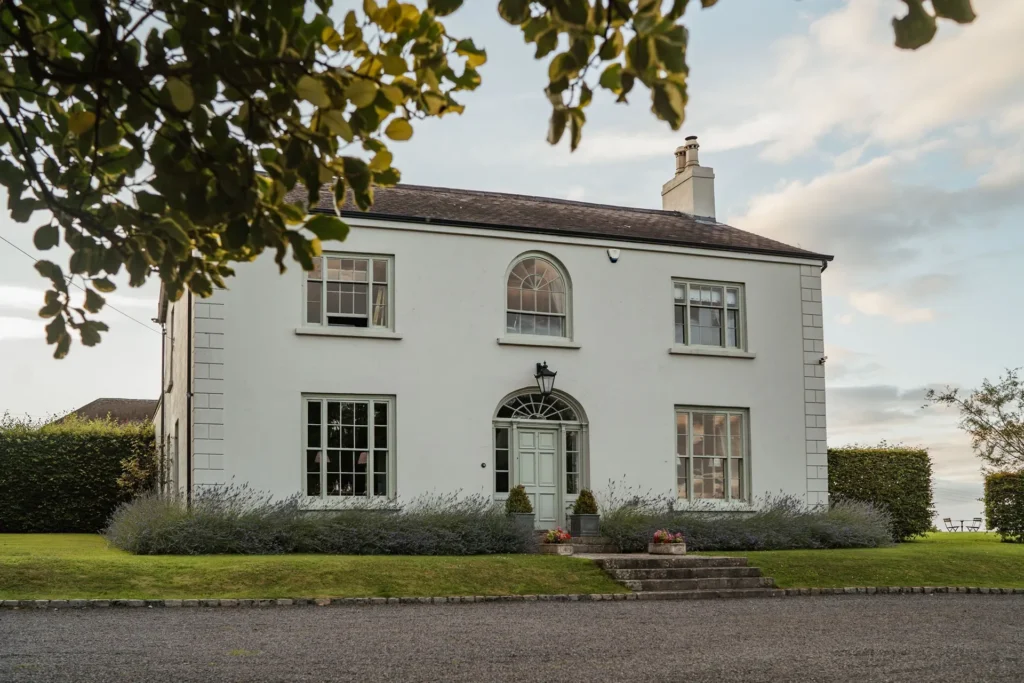
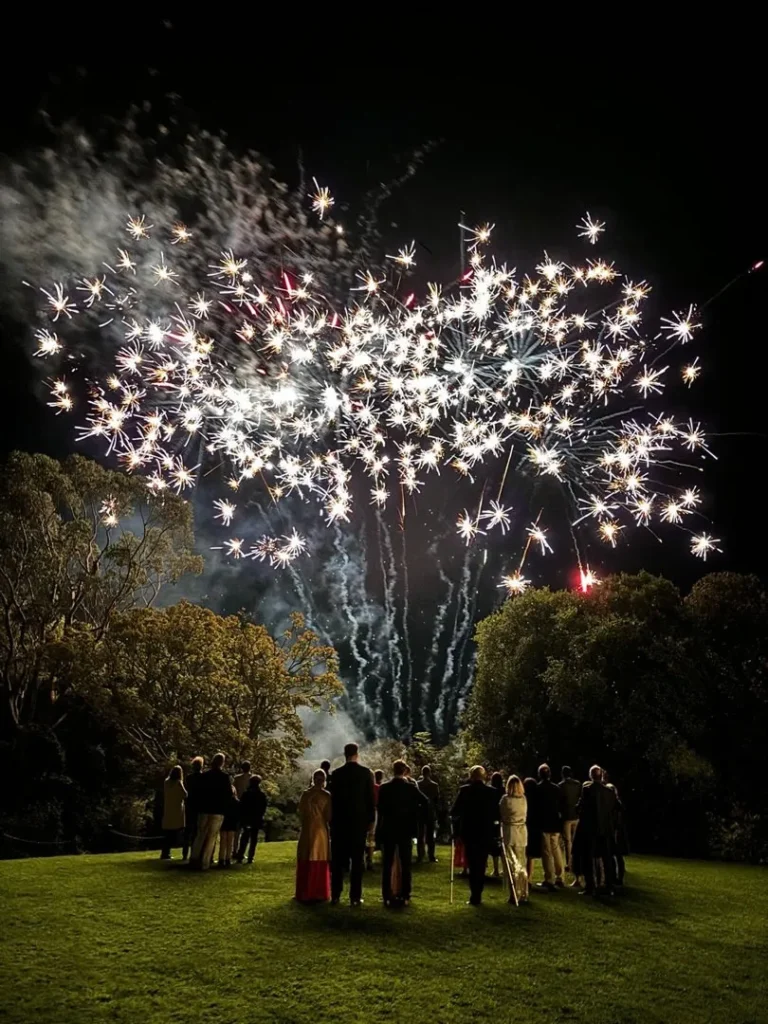
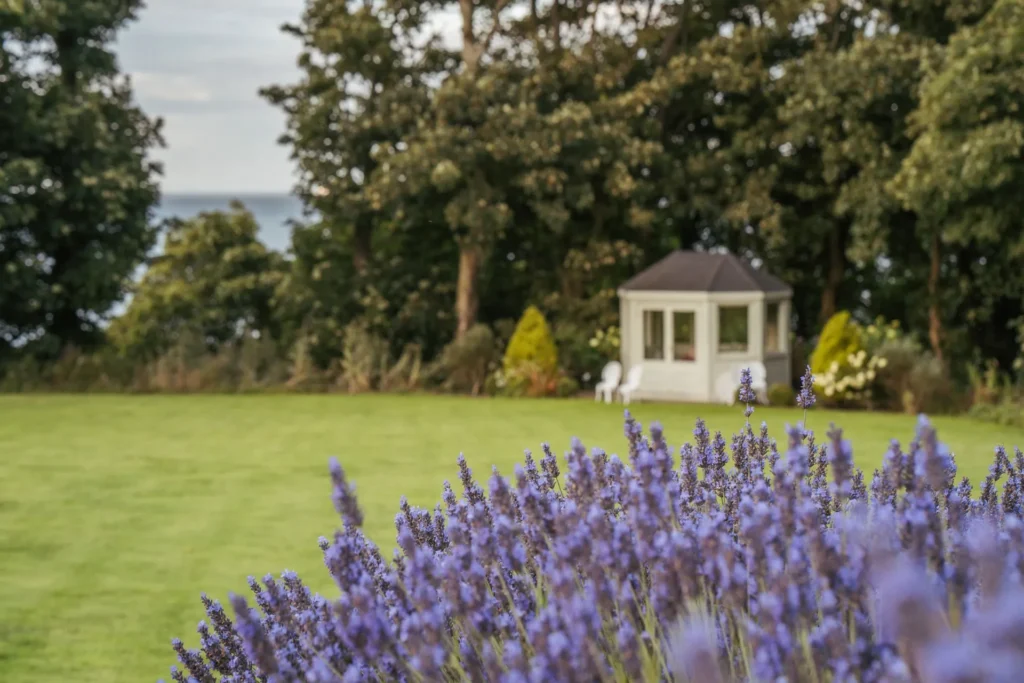
When you pull up the drive to Hillmount House today, you are greeted by the quiet beauty of a beautifully restored estate that looks out over the sea near Drains Bay. It feels peaceful and entirely removed from the rush of modern life, but the ground beneath this estate actually has a brilliant, industrious history that stretches back nearly three centuries. Long before it became an exclusive haven for couples celebrating their marriage, this grand gentleman’s residence was right at the beating heart of the famous County Antrim linen industry.
The Industrial Beginnings of the 1700s
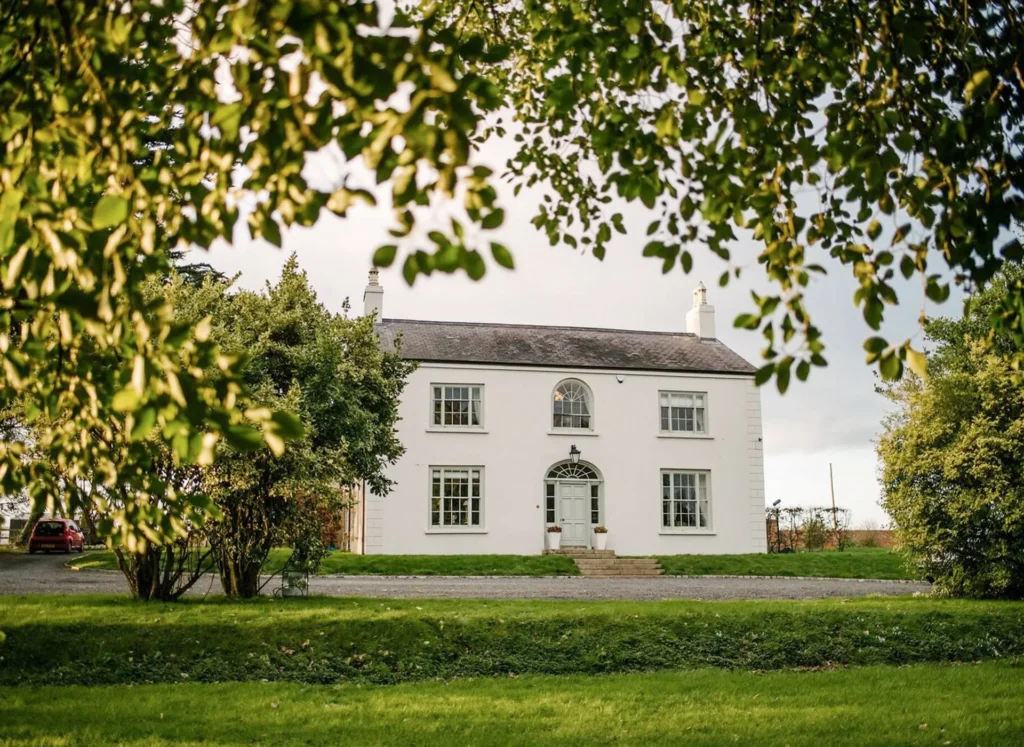
The origins of the house date back to 1728 when it was constructed for the Countess of Antrim. While some local records suggest that work on the land might have started slightly earlier around 1720, the Georgian manor house was fully established and thriving well before the late 18th century. In those early decades, the estate was not just a quiet residential retreat, but was actually functioning as a bustling industrial site that contributed significantly to the local economy.
The estate featured its own dedicated bleach green, which was an incredibly vital piece of land in the historic linen production process. This was where the freshly woven cloth was laid out across the grass under the Antrim sun, treated with traditional bleaching agents until it turned the bright white colour that Irish linen became famous for all over the world. The name of the estate itself is deeply tied to the Hill family, who were among the very first linen merchants to establish large-scale bleaching operations in this specific part of the country. You can still find old snippets from the Belfast Newsletter in 1771 where a gentleman named John Hill of Hillsmount advertised farms to let in the local area, showing just how deeply rooted the family was in the community.
Ownership of the land was quite a contested topic back then, and historical documents show that in 1768, a portion of the estate was put up for sale under the name of Rolleston Humphrey, though that claim was quickly disputed by the descendants of Thomas Orpin, who had originally bequeathed the land all the way back in 1678.
Growth through the 1800s
As the global demand for Irish linen continued to expand through the 19th century, the estate became closely linked with the Frazer and Haughton families, two highly prominent names in the worlds of linen manufacturing and bleaching. The Frazer family eventually took over the sole ownership of the bleach green at Hillmount, making it an essential hub for local mill workers and craftspeople.
Throughout the Victorian era, the main manor house served as the principal owner’s residence, sitting proudly on the hill and overlooking the busy working greens and mills that kept the local area thriving. This incredible industrial heritage is still stitched into the local landscape today, and if you take a wander down Hillmount Road, you will see the famous Red Cottage, which was built in 1920 to house the people who managed the Frazer and Haughton linen mills.
Preservation in the 20th Century
As the decades rolled on and the linen industry naturally began to decline across Northern Ireland, the focus shifted from industrial production to preserving the wonderful architecture of the estate. The historical and architectural importance of the house was officially recognised in the late 1970s when the main Georgian manor house was awarded Grade II listed status.
This special designation was also extended to protect the beautiful gate lodge and the original entrance gates, ensuring that the distinctive 18th-century character of the property would be carefully looked after and preserved for future generations to enjoy. Because it was so well maintained throughout the years, the building managed to retain all of its authentic Georgian charm and elegance without losing that essential feeling of being a welcoming family home.
A New Chapter of Gentle Luxury
The most recent chapter for Hillmount House began when Andrew Brennan and Simon Croal took ownership of the estate, bringing a professional background in interior design and a real vision for what this special place could become. Alongside Managing Director Naomi Brennan and curators Simon and Andrew, the team set out on an incredibly detailed, four-year project to painstakingly refurbish, renovate, and replant the entire ten-acre estate.
Built for the Countess of Antrim
Constructed as a grand gentleman’s residence and functioning as a working linen estate with its own dedicated bleach green.
The Industrial Era
Thrived as a prominent industrial mill and bleach green under the prominent Frazer and Haughton families.
Grade II Listed Status
Formally awarded historical protection, preserving the architectural integrity of the Georgian manor, gates, and gate lodge.
A New Chapter of Luxury
Following a painstaking multi-million pound restoration, transformed into an award-winning, premium, exclusive-hire wedding venue.
With some fantastic financial backing from Ulster Bank, a significant six-figure investment allowed for the creation of a beautiful, purpose-built wedding and conference centre on the grounds. This brilliant transformation carefully expanded the venue’s capacity so that it can now comfortably seat up to 150 guests for a wedding meal inside the magnificent barn, which also features a stunning Art Deco-inspired cocktail bar.
What makes the experience here so unique is that despite growing into an award-winning venue named as one of the top 100 wedding venues in Ireland by One Fab Day, we have strictly maintained a policy of only hosting one wedding per day. When a couple chooses to celebrate their day here, they get completely exclusive use of the entire ten-acre estate and the historic three-hundred-year-old country house, allowing their friends and family to feel instantly at home in total comfort.